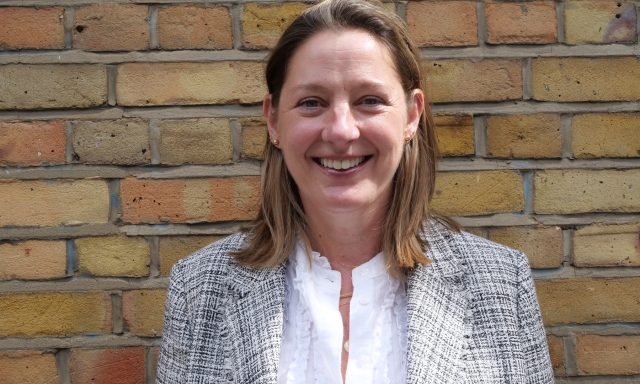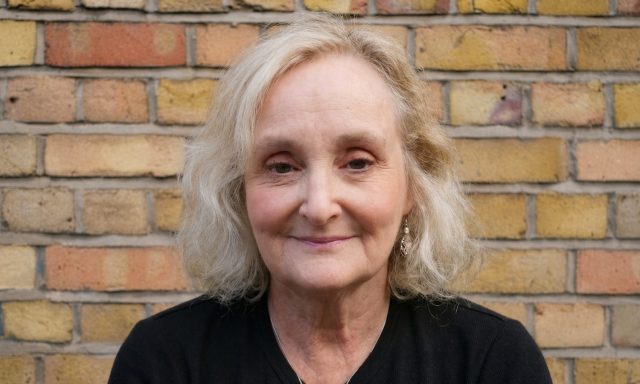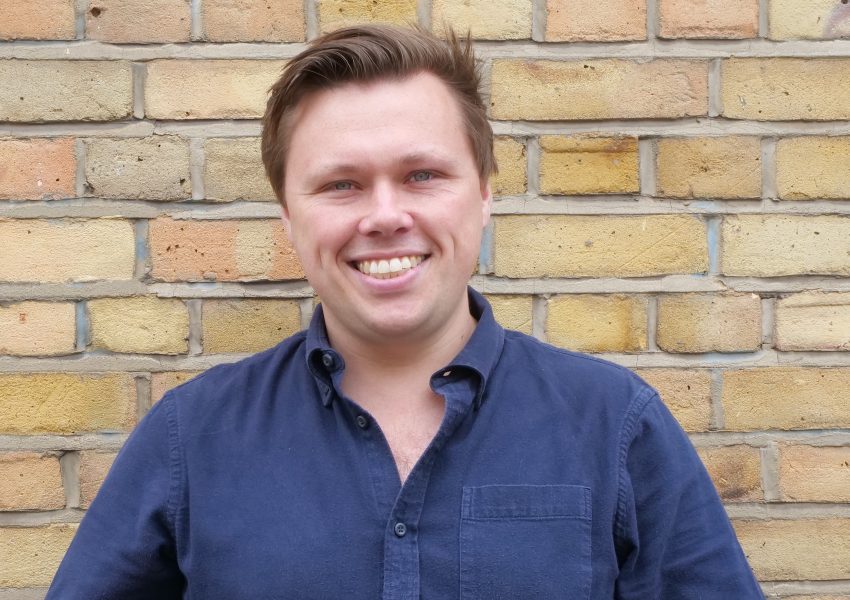
The first time Iain Grant sat down with Thalamos founders Arden Tomison and Ross Tomison, he did not make things easy for them.
“I gave them a hard time,” he laughed, “giving them all the problems with what they wanted to do.”
That instinct, to probe, challenge and interrogate before agreeing, is what makes Grant an unusual voice in conversations about digital health. Now regional medical director a large mental health provider, he has spent his career working in some of the most complex areas of mental healthcare, from training in East London to treating patients in Zambia and leading services across secure and rehabilitation settings. Throughout that journey, one lesson has remained constant; systems only have value if they work in the reality of clinical practice, not in an idealised version of it.
What he found in that first meeting was something he had not expected. Rather than looking for agreement, Arden and Ross were actively looking for challenge. That has not changed.
Disagreement as a design principle
The Responsible Innovation Group (RIG) works, Grant believes, precisely because it is not a room full of people who agree with each other.
“The idea of the RIG is that there is disagreement. If you’re all agreeing on something, you’re not discussing the right topics.”
For Grant, clinical safety is not a hurdle to clear once a product has been built. It should shape design from the very beginning. Many organisations review safety at the end of development, looking for ways to mitigate problems that already exist. Grant believes it is far more effective to prevent those problems from emerging in the first place.
“Patients shouldn’t come to harm as a result of a software innovation. By integrating clinical safety right at the beginning, we can change the way something is designed so that it’s actually safer by its basic design.”
That means asking difficult questions before a feature is ever developed. And occasionally, it means saying no.
The moment that matters
One discussion within RIG has stayed with him. Early requests from customers suggested automating parts of the Mental Health Act process, including pre-populating clinical reasoning or making decisions easier to complete. While the proposal was well intentioned, Grant believed it crossed an important line.
“There was a very material risk of taking clinical decisions away from clinicians.”
For him, technology should support judgement, never replace it. That is particularly important when the decision being made involves someone’s liberty.
“When it comes to detention, we don’t want it to be seen as a small, insignificant part of an everyday process. We want it to have the gravity that it actually has.”
He raises similar concerns about the growing enthusiasm for AI documentation tools. While they promise efficiency, he worries they can overlook something fundamental about what happens when a clinician writes.
“You’re not mindlessly just recording. You are processing the conversation, you’re thinking about it, you’re looking at patterns and re-live the interactions.”
Removing that thinking time entirely may save minutes but it also risks removing part of the clinical reasoning process itself.
Freeing clinicians to do their job
Grant’s drive has always come back to the same place: the frontline. During his early psychiatric training he became increasingly frustrated by how fragmented mental health services could be. Organisations working with the same patients often struggled to share information effectively, while clinicians were left navigating inconsistent processes and unnecessary administration.
“My drive has always been that front line. Reducing that admin burden that seems to get pushed to front line staff. I want to free them up to do their job.”
That is where he believes digital systems have their greatest potential. Not in replacing clinical thinking, but in removing the friction that gets in the way of it. Used well, digital tools can help organisations identify risk earlier, improve consistency of practice and give clinicians greater confidence that the processes around them are working as intended.
“Digital allows for consistency and it reduces the unwarranted variation,” he stated. But only, he is careful to add, if those systems have been designed around the realities of clinical care.
Technology that earns trust
Grant has learned over his years working alongside software developers that good design is rarely achieved in a single pass. He came to Thalamos thinking like a clinician, trying to find the perfect solution first time. The iterative approach challenged that instinct and ultimately changed it.
“Every day you have a better product than you had the day before,” he added.
The purpose of RIG, as he sees it, is not to slow innovation down. It is to make sure the difficult conversations happen before products reach clinicians and patients, rather than afterwards when the consequences are harder to undo.
Ultimately, Grant believes clinical safety should be almost invisible. If it has been done properly, clinicians should simply feel that the technology understands how they work.
“When a clinician even just logs on to the software, they will get it,” he said. “They will know this has been designed by clinicians.”
That is the standard he holds himself to. Not technology that simply functions, but technology that earns the trust of the people using it when the stakes are at their highest.
“They’re not working for the computer. The computer’s working for them.”
If you’d like to find out more about the structure and process Thalamos Responsible Innovation Group then visit our dedicated webpage or read about its origins in our feature.