Software development is often described as a process of solving problems. Teams identify a need, design a solution, test it and improve it over time. The assumption is that progress comes from moving ideas steadily towards completion, removing obstacles along the way until something is ready to be used.
At Thalamos, one obstacle is deliberately left in place. Every fortnight, before new features become products and before design decisions become embedded in software, a small group of people gathers to question what is being built.
Between them they bring experience from frontline psychiatry, mental health law, lived experience, clinical psychology, governance and information management, offering perspectives that rarely exist together within a software development process. Their role is not simply to approve ideas but to test them, challenge them and strengthen them before they become part of somebody’s experience of care.
That distinction sits at the heart of the Responsible Innovation Group (RIG). Although it has become a formal part of the Thalamos product development process, it is perhaps better understood as a philosophy for making better decisions. It recognises that technology supporting decisions about liberty, treatment and care cannot simply be judged on whether it functions as intended. It must also reflect the realities of clinical practice, the complexity of legislation, the experience of the person subject to the process and the responsibilities that come with handling some of healthcare’s most sensitive information.
Why challenge matters
Responsible innovation, as RIG understands it, begins where different perspectives meet. Perhaps the most striking thing about speaking to the four current members individually is how often they describe the value of disagreement. Not disagreement for its own sake, but disagreement as a way of arriving at better decisions.
RIG member and consultant psychiatrist Dr Iain Grant argues that if everyone around the table agrees immediately, the group is probably discussing the wrong problem. Fellow member Steve Gilbert OBE speaks about “calling things in” rather than calling them out, creating conversations that improve ideas rather than simply criticising them. Legal expert Dr Debbie Martin PhD describes discussions where different disciplines naturally place emphasis on different issues, allowing each perspective to challenge the others before any product reaches the people expected to rely upon it. Gabrielle Epstein, who has decades of system experience, sees the same process through the lens of governance, describing how standing back to examine risks before development begins produces stronger products than continually patching problems once they have emerged.
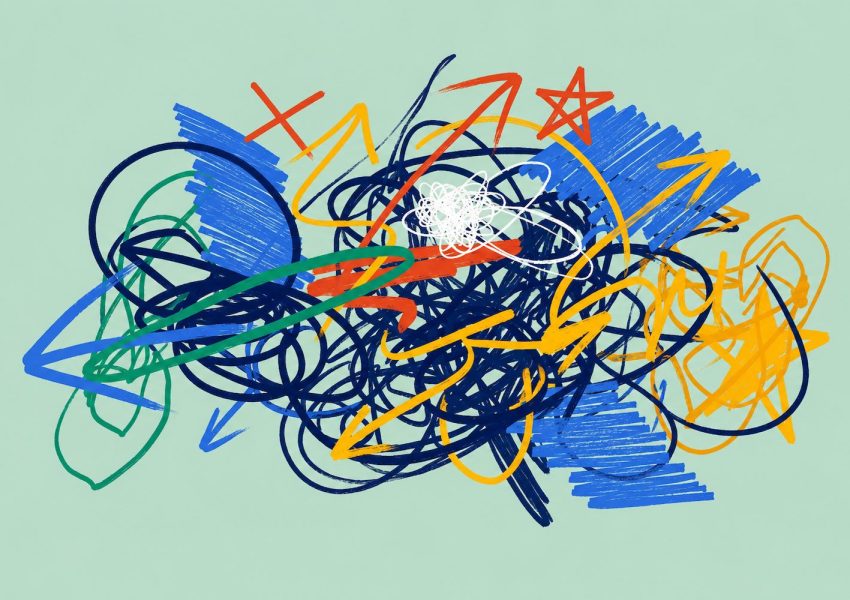
Although each describes the process differently, they are all talking about the same thing. Good products are rarely created by removing tension from the design process. They are created by introducing the right kinds of tension early enough that it can still influence what is being built.
Better decisions through different perspectives
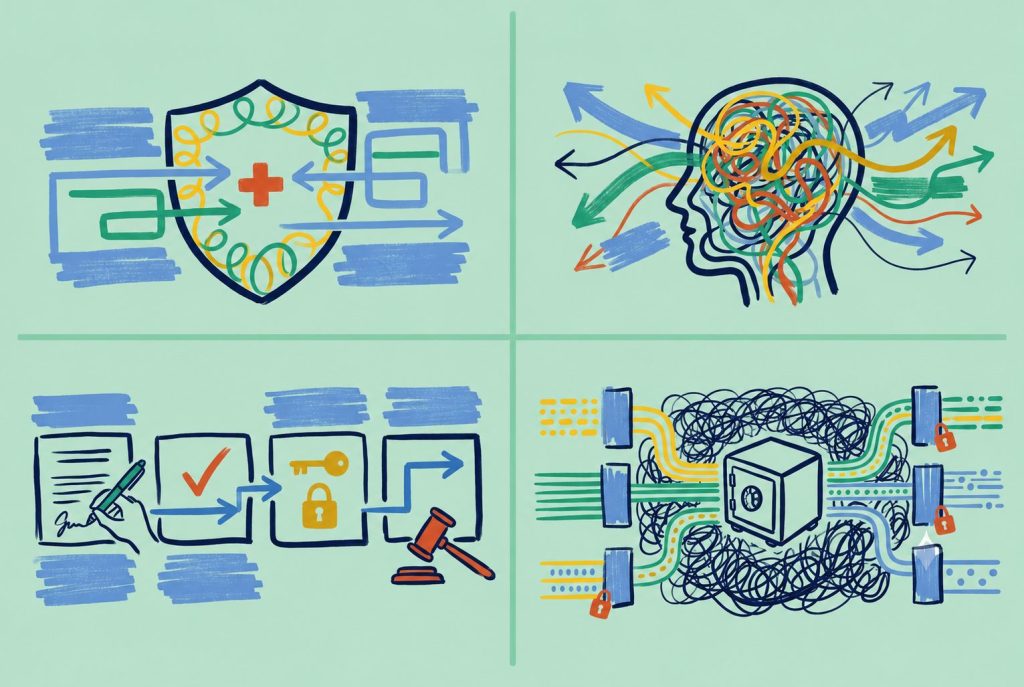
Every discussion within RIG is shaped by four complementary perspectives. The clinical safety perspective asks whether a feature will genuinely support professionals working in busy, complex environments. The legal perspective challenges whether workflows accurately reflect legislation, case law and professional responsibilities. Lived experience keeps the focus on how technology impacts the person at the centre of the process, while information governance asks whether systems are transparent, proportionate and worthy of public trust.
Viewed individually, each perspective is valuable. Together, they create something much more powerful. They expose assumptions that a single discipline might reasonably miss and encourage the kind of constructive challenge that leads to better products.
Influence, not oversight
Although the members of RIG arrived from very different professional backgrounds, they describe remarkably similar reasons for remaining involved. Each talk about an organisation that actively welcomes challenge rather than seeking consensus, and about a process where difficult questions genuinely influence the direction of products rather than simply reviewing decisions that have already been made.
None describe RIG as a symbolic advisory panel; they describe it as a place where discussions change outcomes.
Sometimes the impact is obvious: a workflow is redesigned, a legal interpretation corrected, or a proposed feature reconsidered altogether. More often, though, it is almost invisible — a phrase that no longer implies blame, or information reordered because it better reflects clinical thinking. Individually, these are small decisions; collectively, they shape how technology affects the professionals using it and the people whose care depends on it.
Beyond product development
As Thalamos has grown, the thinking fostered through RIG has increasingly influenced the organisation beyond product development.
The same questions that shape new features now inform how Thalamos approaches research, partnerships, public engagement and emerging technologies. They are different conversations, but they are rooted in the same principles: evidence, proportionality, transparency and an unwavering focus on the people affected by the decisions being made.
Responsible innovation is no longer simply about how products are developed; it has become part of how Thalamos thinks. Whether the discussion concerns a new feature, a piece of research, the responsible use of data or the way complex issues are explained publicly, the same disciplines continue to apply.
A framework for the future
Technology will continue to play an increasingly important role across mental healthcare. Artificial intelligence, automation and richer data will reshape how organisations communicate, make decisions and deliver care. The question is no longer whether innovation should happen, but how it should be adopted.
For Thalamos, the answer is not found in moving faster or adding more features. It is found in creating the conditions for better judgement before a single line of code is written, before a public position is taken and before an idea becomes part of somebody’s experience of care.
The Responsible Innovation Group was established to help build better products. Its contribution today is broader than that. It helps ensure that as Thalamos grows, the same principles of thoughtful challenge, multidisciplinary collaboration and person-centred thinking continue to shape not only what the organisation builds, but how it behaves.
Because every decision, whether it influences a product, a partnership, a piece of research or a public conversation, ultimately has the potential to shape somebody’s experience of care.
If you’d like to find out more about the structure and process Thalamos Responsible Innovation Group then visit our dedicated webpage.
You can also read interviews with each RIG member:
- Lived experience by design: Steve Gilbert OBE
- Information governance by design: Gabrielle Epstein
- Legislative compliance by design: Dr Debbie Martin
- Clinical safety by design: Dr Iain Grant
And each individual discipline: